LASIK Technology in Korea vs Global Clinics
LASIK Technology in Korea vs Global Clinics
Korea vs Global Clinics – Technology Overview
LASIK technology today is advanced worldwide, but:
👉 the difference lies in how consistently advanced technology is used and how quickly it is adopted
Korea → rapid innovation + system-wide implementation
Global clinics → advanced but more variable and regulation-driven
1. Laser Technology Platforms
Korea
Latest femtosecond lasers
Advanced excimer laser systems
SMILE Pro (VisuMax 800) widely used
👉 Many clinics operate with cutting-edge laser systems across the board
Global Clinics (USA / Europe / Others)
FDA- or CE-approved laser systems
Wavefront-guided and topography-guided LASIK
Technology level is high
👉 But:
👉 not always the newest generation across all clinics
👉 Key Insight:
👉 Korea = newer tech more widely available
👉 Global = high-tech but less uniformly updated
2. Speed & Laser Precision
Korea
Ultra-fast laser platforms
Higher pulse frequency systems
Reduced laser exposure time
👉 New systems can perform laser steps in seconds per eye, improving precision and comfort
Global Clinics
Highly precise systems
Slightly longer laser times depending on platform
👉 Conclusion:
👉 Korea = faster execution + refined workflow
👉 Global = precise but sometimes slower
3. Diagnostic Technology (BIG DIFFERENCE)
Korea
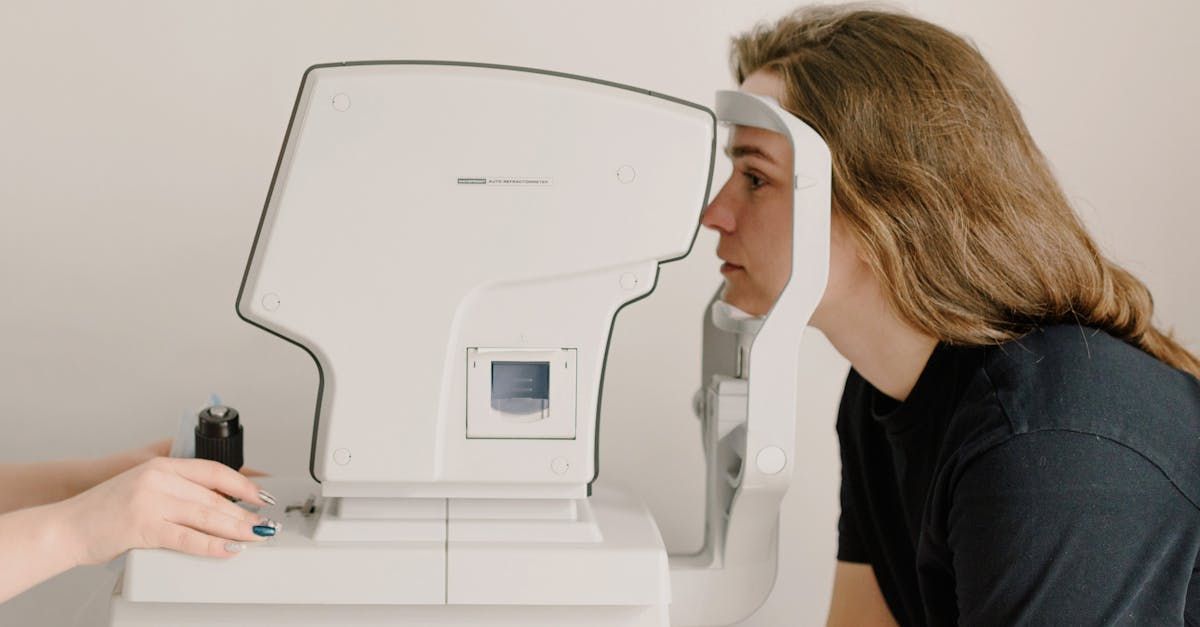
Extensive pre-op diagnostics:
40–60+ tests common
3D corneal mapping
Wavefront aberrometry
Dry eye analysis
👉 Enables highly customized treatment planning
Global Clinics
Standard diagnostics:
Corneal topography
Refraction
Basic imaging
👉 High quality, but often fewer tests overall
👉 Key Insight:
👉 Korea =
data-heavy, ultra-detailed diagnostics
👉 Global =
clinically strong but less intensive testing
4. Customization Technology
Korea
Personalized LASIK (Smart LASIK, wavefront-guided)
Full eye mapping and customized ablation
👉 Focus on precision correction of higher-order aberrations
Global Clinics
Wavefront and Contoura LASIK
Highly customized treatments
👉 Conclusion:
👉 Both offer customization
👉 Korea integrates customization more consistently across clinics
5. Innovation Speed
Korea
Fast adoption of new technology
Clinics frequently upgrade systems
High competition drives innovation
👉 Korea is considered a global leader in advanced vision correction
Global Clinics
Technology adoption tied to:
FDA approval (USA)
Regulatory timelines (Europe)
👉 Slower but more controlled rollout
👉 Key Insight:
👉 Korea = innovation-driven
👉 Global = regulation-driven
6. Surgeon–Technology Integration
Korea
Very high surgical volume
Specialized refractive surgery centers
👉 Repetition improves:
precision
consistency
outcomes
Global Clinics
Highly trained surgeons
More individualized case handling
👉 Conclusion:
👉 Korea =
system + repetition → precision
👉 Global =
training + customization → precision
7. Safety & Outcomes
Globally, LASIK is:
👉 safe
👉 highly predictable
👉 widely standardized
Korea
High consistency due to:
advanced diagnostics
standardized systems
high patient volume
Global Clinics
High safety due to:
strict regulations
clinical protocols
👉 Final Insight:
👉 Safety level is similar
👉 Consistency differs
Final Comparison
Korea
Latest laser platforms widely available
Faster procedure execution
More diagnostic tests
High-volume expertise
Rapid innovation
Global Clinics
Advanced but variable technology
Strong regulatory oversight
Excellent clinical precision
Slower technology adoption
Which Has Better Technology?
👉 Korea generally leads in real-world LASIK technology deployment
Because it offers:
✔ Faster adoption of new systems
✔ Wider access to latest devices
✔ More consistent high-tech usage
Final Verdict
👉 Technology level = high everywhere
BUT:
👉 Korea = more advanced in practice and consistency